March 20, 2026
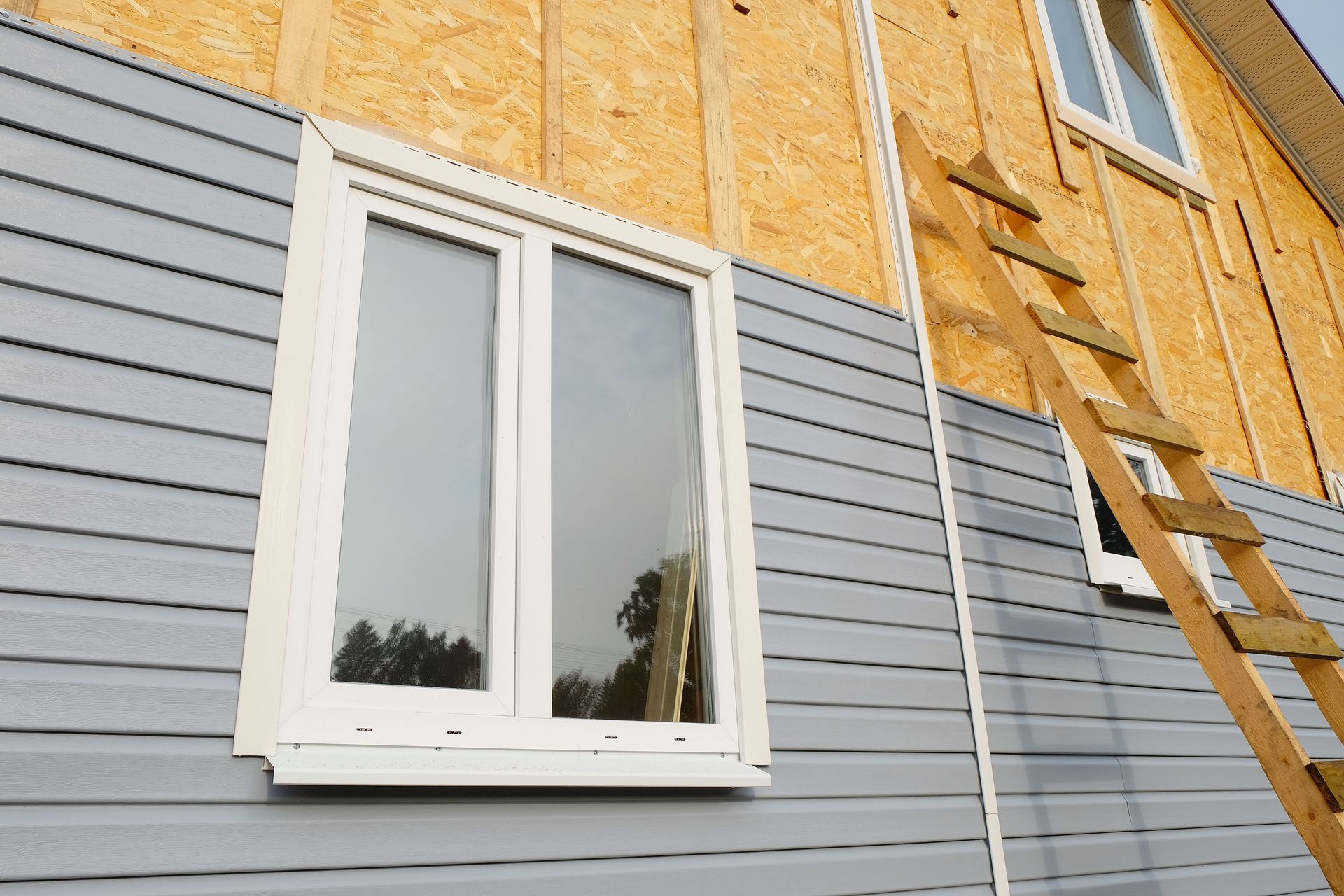
Are you wondering if it's time for new siding? From a strategic standpoint, your home's exterior is doing far more than just looking presentable. It's managing risk, protecting assets, and supporting long-term property value. At the center of that equation is siding, which functions as both a defensive barrier and a visual brand statement for your home. When it's performing well, everything downstream runs smoothly, from energy efficiency to moisture management to resale confidence. When performance begins to lag, however, even small inefficiencies can cascade into larger structural and financial concerns that impact the entire property ecosystem.
In many cases, homeowners delay replacement because the deterioration feels incremental rather than urgent. That delay can quietly compound costs as minor issues evolve into systemic failures. Understanding when replacement makes more sense than ongoing maintenance allows homeowners to be proactive instead of reactive. Rather than operating in crisis mode after visible damage appears, identifying early indicators empowers smarter planning, clearer budgeting, and stronger long-term outcomes. Below are ten clearly defined indicators that signal when it may be time to reassess the current state of your siding and consider a full replacement, all while keeping durability, performance, and return on investment top of mind.
1. When Your Siding Is Showing Visible Cracks or Warping
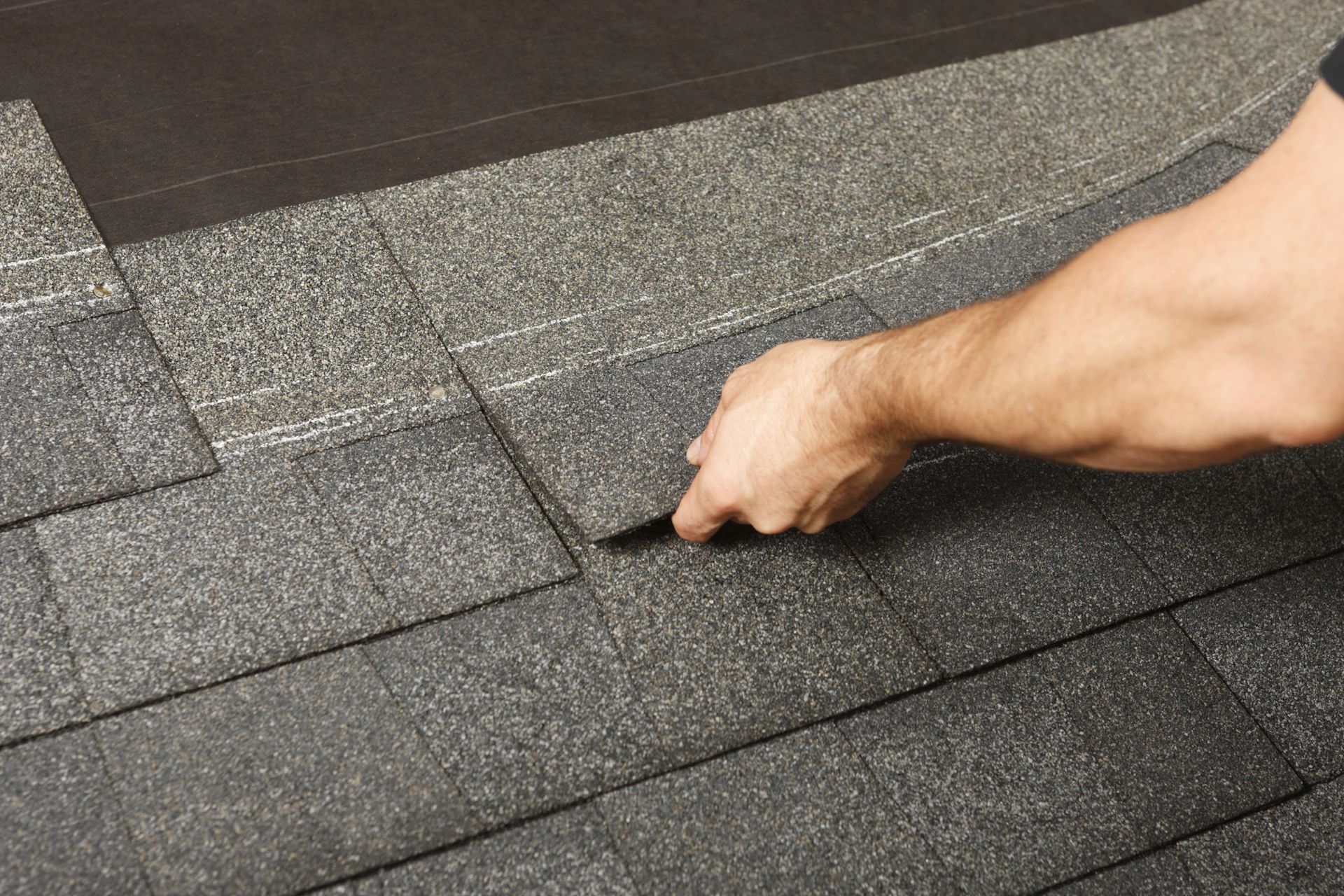
When exterior materials begin to crack, warp, or buckle, that's a clear sign the system is no longer operating at optimal capacity. These issues often stem from prolonged exposure to temperature swings and moisture infiltration. Once siding loses its structural integrity, it can no longer provide consistent protection against the elements. Over time, this creates vulnerabilities that allow water, pests, and air leaks to compromise the underlying structure. From a cost-benefit perspective, repeated spot repairs may offer diminishing returns compared to a full replacement strategy.
2. When Moisture Is Making Its Way Indoors
If moisture is appearing inside your home in the form of stains, bubbling paint, or unexplained dampness, your siding may be failing as a moisture-management solution. Exterior materials are designed to shed water efficiently, and once that process breaks down, interior damage is rarely far behind. Moisture intrusion can lead to mold growth, insulation breakdown, and wood rot, all of which carry higher remediation costs. Addressing siding issues early helps realign your home with best-practice standards for moisture control.
3. When Maintenance Requirements Keep Escalating
A certain level of upkeep is expected with any exterior material, but when maintenance becomes constant, it's a red flag. If repainting, sealing, or patching feels like a recurring line item in your annual budget, your siding may be past its effective service life. Over time, this cycle becomes inefficient, consuming both time and resources without delivering meaningful performance gains. Modern replacement options are engineered for efficiency, offering longer lifespans and reduced maintenance demands. From an operational standpoint, upgrading can streamline homeownership and reduce long-term overhead.
4. When Energy Bills Are Trending in the Wrong Direction
Rising heating and cooling costs are often attributed to HVAC systems, but the exterior envelope of your home plays an equally important role. Aging siding can lose its insulating effectiveness, allowing conditioned air to escape and outdoor temperatures to creep in. This forces mechanical systems to work harder, driving up energy consumption. Replacing outdated siding with newer, more efficient materials can help restore balance, stabilize monthly costs, and improve overall energy performance across seasons.
5. When Fading and Discoloration Are No Longer Cosmetic Issues
Some fading is inevitable over time, but severe or uneven discoloration often indicates deeper material degradation. UV exposure can break down siding at a molecular level, reducing its ability to protect your home. When color loss is accompanied by brittleness or surface chalking, the material is signaling that it's nearing the end of its lifecycle. At that point, replacement becomes a strategic move rather than a purely aesthetic one.
6. When Your Siding Is Past Its Expected Lifespan
Every exterior material has a projected performance window. According to American WeatherTechs, siding is typically replaced every 20 to 40 years. If your home's exterior is approaching or exceeding that range, it's reasonable to expect declining performance even if problems aren't immediately visible. Proactively replacing aging siding allows homeowners to stay ahead of failures and plan upgrades on their own timeline instead of reacting to emergencies that disrupt daily life and household operations.
7. When Pests Are Finding Easy Entry Points
Cracks, gaps, and soft spots in siding create ideal access points for insects and small animals. Once pests breach the exterior, they can cause extensive damage behind the scenes, impacting insulation, wiring, and framing. These issues often remain hidden until they become costly to resolve. Persistent pest issues frequently point back to compromised siding that's no longer sealing the home effectively. Replacing it helps close those gaps and reestablish a secure perimeter.
8. When Interior Walls Are Showing Signs of Damage
Peeling wallpaper, bubbling drywall, or unexplained stains on interior walls can all trace back to exterior failures. When siding stops performing as intended, water and air infiltration tend to show up inside first. These symptoms are often misdiagnosed as interior issues, which can delay proper resolution. Addressing the exterior through siding replacement corrects the root cause and helps protect interior finishes and structural components from ongoing exposure.
9. When Your Home's Curb Appeal Is Falling Behind
First impressions matter, especially when it comes to property value. Outdated or deteriorating siding can make an otherwise well-maintained home look neglected or out of sync with surrounding properties. In competitive real estate markets, exterior appearance plays a significant role in buyer perception and appraisal outcomes. Upgrading your siding aligns your home with modern design expectations while also signaling long-term care and investment.
10. When Replacement Aligns Better With Long-Term Value Goals
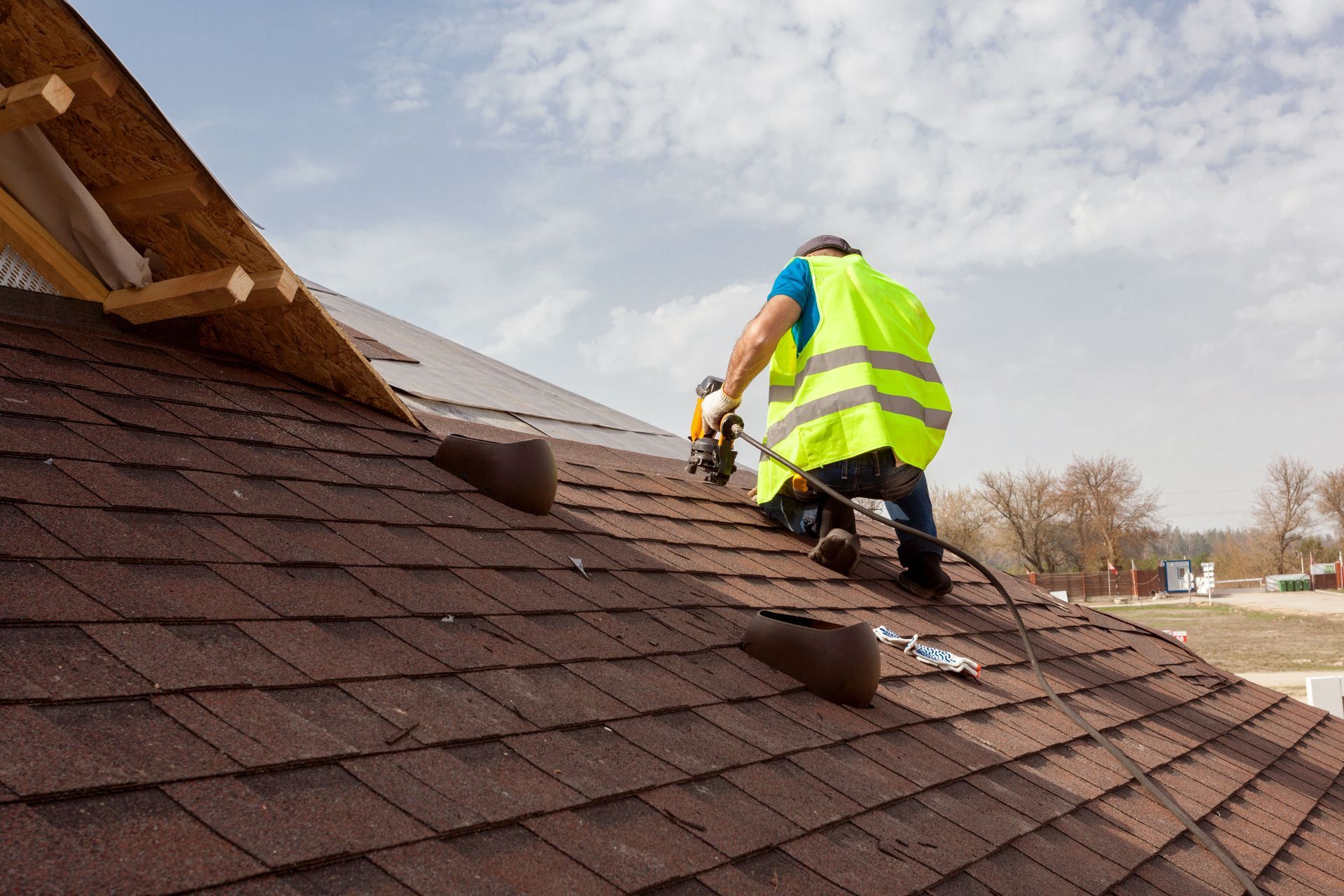
At a certain point, replacement simply makes more strategic sense than continued repairs. New siding materials are designed with improved durability, weather resistance, and aesthetic flexibility in mind. By investing in a full replacement, homeowners can consolidate costs, reduce maintenance uncertainty, and enhance overall performance. From a long-term planning perspective, this approach often delivers stronger value, increased resilience, and greater peace of mind.
Your home's siding is a mission-critical component of its overall performance. When it's functioning properly, it protects your investment, supports energy efficiency, and reinforces curb appeal. When it starts to fail, the downstream impacts can be wide-ranging and expensive, affecting both short-term comfort and long-term equity. Recognizing these signs early allows you to move from a reactive posture to a proactive strategy that prioritizes control and predictability.
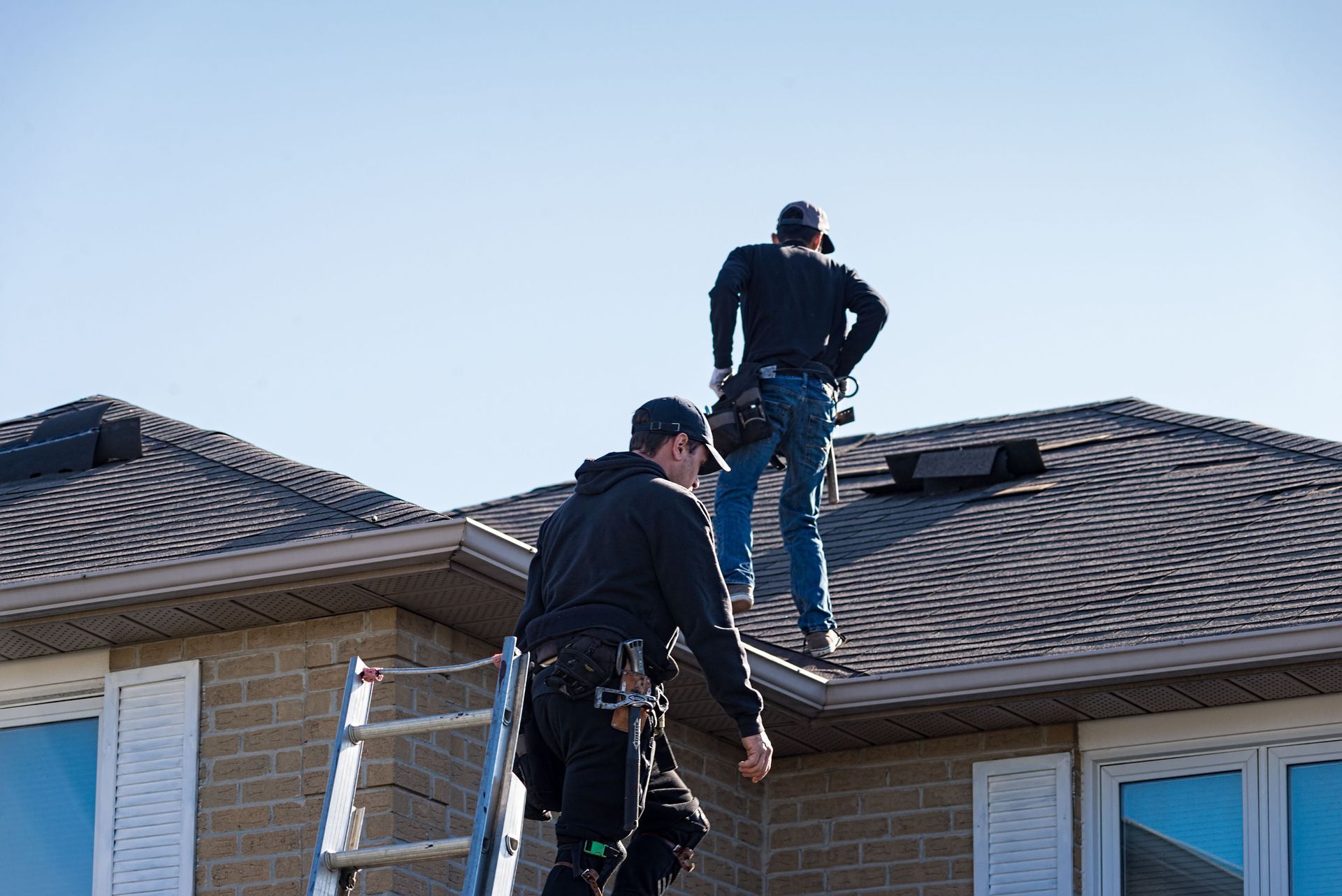
Replacing siding isn't just about fixing what's broken. It's about optimizing your home's exterior for the future, aligning form with function, and ensuring that every layer of your property is working together effectively. With the right timing, informed decision-making, and a clear strategy, siding replacement becomes not an expense, but a value-driven initiative that supports durability, efficiency, and sustained confidence in your home. If you're looking for siding services, don't hesitate to contact Portage Exteriors LLC today. As a family-owned business, we've built our reputation on dependability, skilled craftsmanship, and outstanding customer care. We're fully licensed and insured, and we manage all necessary permits, making the process stress-free for you. Get in touch with our team today to get started!