April 7, 2026
Asphalt shingles have become one of the most popular roofing materials in the residential market. Homeowners and builders alike opt for asphalt shingles due to their affordability, durability, and versatility. This article will delve into everything you need to know about asphalt shingles, from their history and manufacturing to installation and maintenance. Understanding these aspects will equip you to make an informed decision when choosing a roofing material. With their comprehensive benefits, asphalt shingles continue to be a resilient option for various roofing needs, especially when considering the necessity of local roof replacements in varying climates.
Reviewing the History and Evolution of Asphalt Shingles
Asphalt shingles were first introduced in the early 20th century as a cost-effective roofing solution. Their inception sought to replace more expensive materials like slate and clay tiles, providing an accessible option for middle-class homeowners. Asphalt shingles were initially made using organic materials such as wood pulp and cotton rags. They soon gained traction for their resilience against harsh weather conditions. Over time, the composition evolved, leading to modern-day fiberglass-based shingles that offer improved durability and fire resistance.
Assessing Technological Advances
Technological advancements have significantly improved the manufacturing quality of asphalt shingles. With the integration of advanced materials, asphalt shingles today boast enhanced durability and aesthetic appeal. Modern manufacturing processes have enabled precise control over texture, thickness, and color, providing homeowners with a wide array of design options. This evolution in technology has cemented asphalt shingles as a prominent option in modern roofing, maintaining their relevance amidst increasing competition from alternative materials.
Analyzing Market Adoption Over Time
Over the decades, asphalt shingles have steadily gained market acceptance worldwide. According to data from RubyHome, they stand as the most prevalent roofing material, utilized in approximately 75% of all roofing projects. Their widespread adoption is largely attributed to their cost-effectiveness and adaptability to various architectural styles. They have become an integral part of housing developments, particularly in the U.S., where they fit seamlessly with traditional and contemporary home designs.
Identifying Different Types of Asphalt Shingles
Three-tab shingles are the traditional choice for many homeowners due to their simplicity and affordability. Characterized by their flat, rectangular design with cutouts along the bottom edge, these shingles offer a uniform appearance. They are lightweight, which makes them easy to install and transport. However, while economical, they may offer less durability compared to their architectural counterparts. Despite these limitations, three-tab shingles remain a common choice for budget-conscious homeowners seeking reliable coverage.
Selecting Architectural Shingles
Architectural shingles, also known as dimensional or laminate shingles, offer greater aesthetic appeal and performance compared to traditional three-tab shingles. They consist of multiple layers of material bound together, creating a three-dimensional appearance that mimics wood shakes or slate tiles.
This design not only enhances the visual appeal but also improves the durability and wind resistance of the roof. Homeowners often favor architectural shingles for their long-term performance and aesthetic versatility. While they come at a higher price point, the investment is justified through enhanced curb appeal and longevity, often reducing the frequency of local roof replacements.
Engineering Impact-Resistant Shingles
Impact-resistant shingles are engineered to withstand severe weather conditions, such as hailstorms and high winds. These shingles are crafted using tougher materials and a reinforced structure, enabling them to absorb and dissipate impact energy more effectively than standard shingles. In regions prone to adverse weather, choosing impact-resistant shingles can provide peace of mind and potentially lower insurance premiums.
Understanding the Manufacturing Process
The manufacturing of asphalt shingles relies on a combination of raw materials designed to maximize performance and durability. Key ingredients include asphalt, fiberglass or organic felt, mineral granules, and sealant compounds. Asphalt saturates the core of the shingle, providing water resistance and flexibility. The granules, often made from ceramic-coated minerals, offer UV protection and color variety. Fiberglass serves as a strength-enhancing base, contributing to the shingle's overall structural integrity and fire resistance.
Maintaining Quality Assurance
Quality assurance is a critical component of the asphalt shingle manufacturing process. Manufacturers implement stringent testing protocols to assess strength, fire resistance, and weather durability. Random sampling and inspection of product batches are standard practices to ensure adherence to industry standards. Manufacturers also refine their processes continuously, incorporating feedback and advancing technologies. These quality control measures help ensure that consumers receive high-performing products.
Executing Proper Installation Techniques
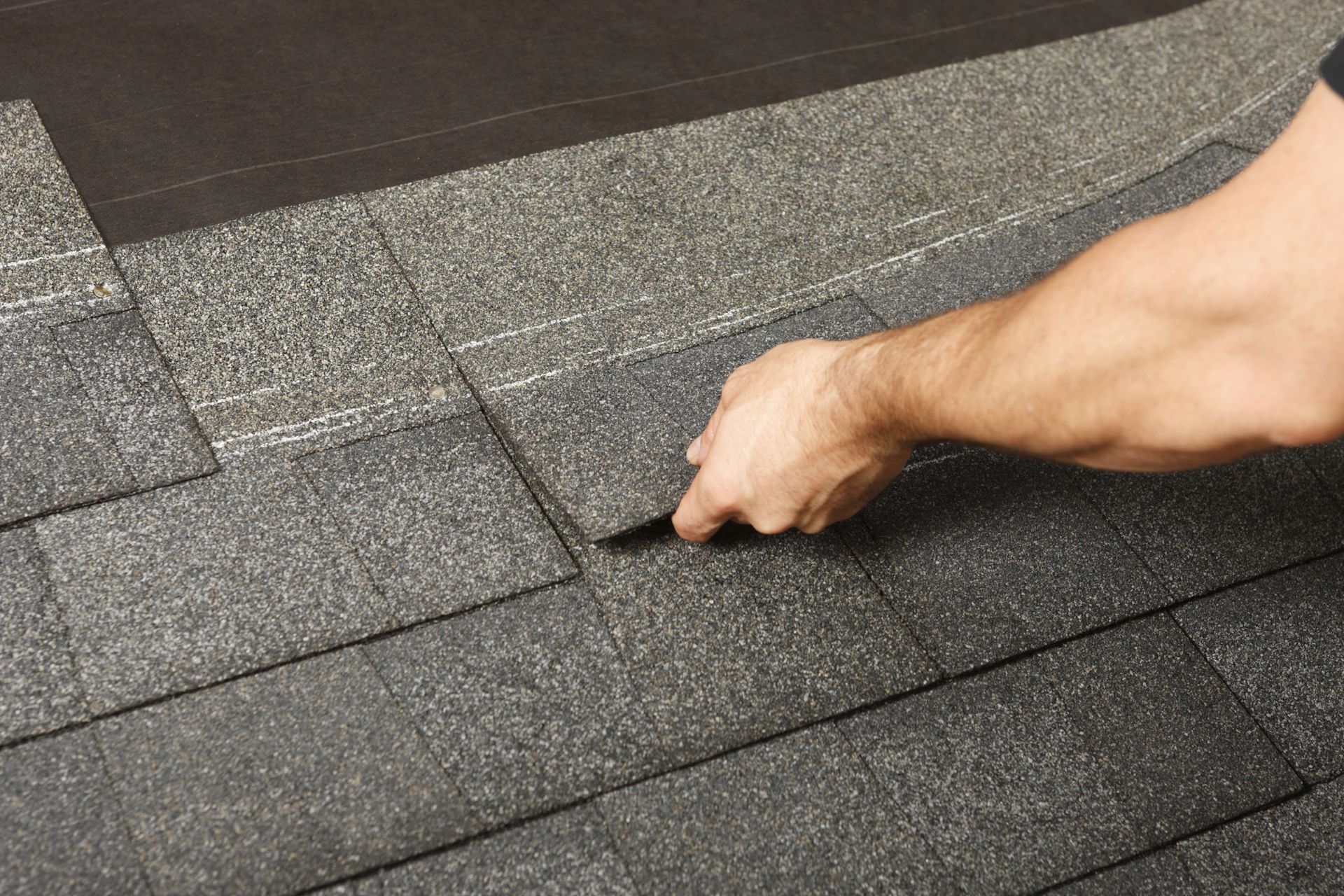
Proper preparation of the roof deck is essential before installing asphalt shingles, as it ensures a secure and long-lasting application. The deck should be inspected for signs of damage, such as rot or deteriorating wood, and repaired as necessary. A clean, solid surface is required to provide an adequate foundation for the roofing materials. Underlayment, such as roofing felt or synthetic membrane, is typically installed to enhance waterproofing. Taking these preparatory steps helps in preventing leaks and extends the lifespan of local roof replacements.
Avoiding Common Installation Mistakes
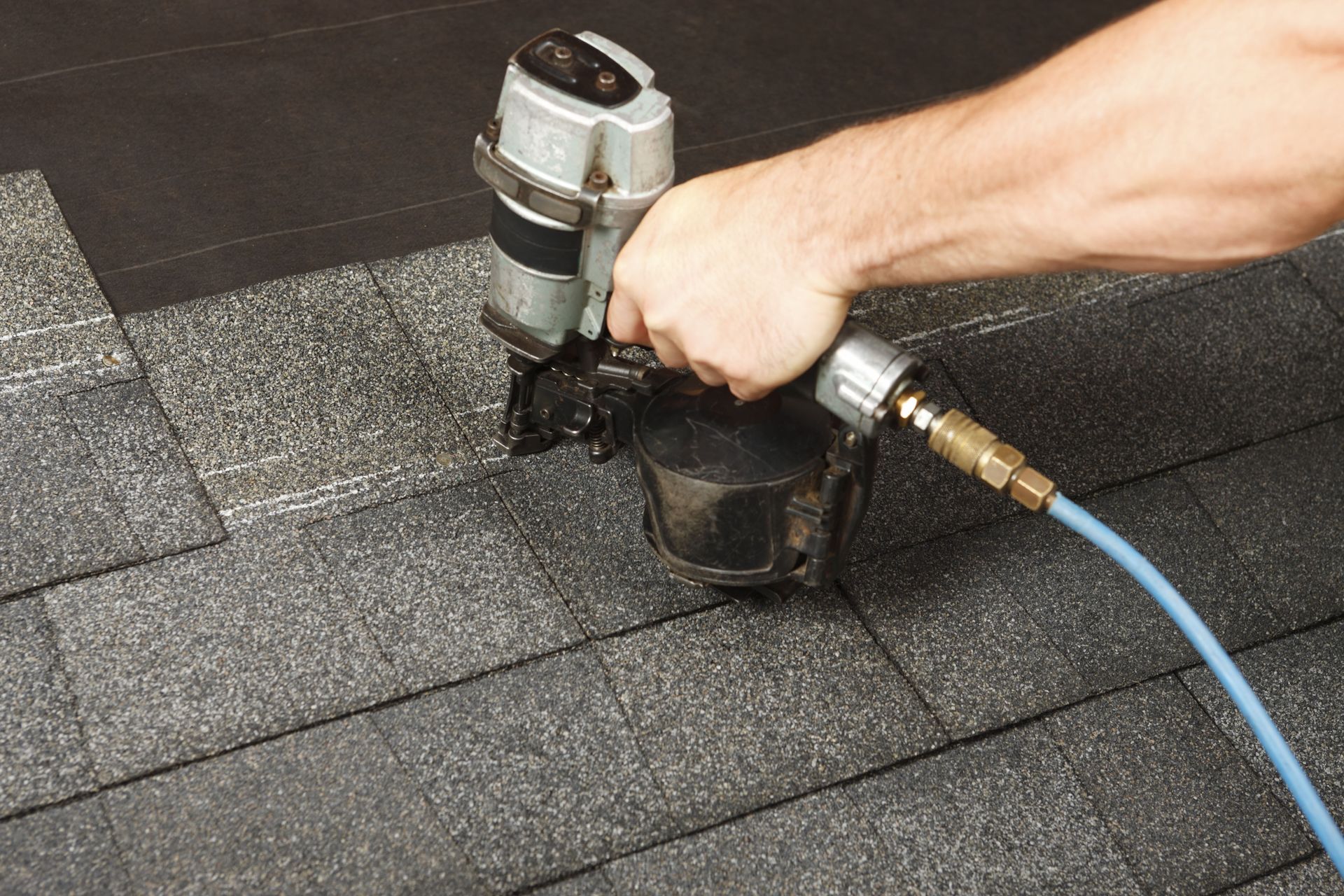
Avoiding common installation mistakes is key to ensuring a successful asphalt shingle roof. One major error in local roof replacements is failing to provide adequate ventilation, which leads to moisture buildup and shingles deteriorating quickly. Incorrect nailing, such as nails being driven too low or at incorrect angles, can also weaken the roof's structure. Insufficient overlaps and improper alignment are also frequent issues that compromise durability.
Managing Maintenance and Repairs
Identifying common problems in asphalt shingles is essential for timely maintenance. Issues such as curling, cracking, or blistering shingles often indicate underlying problems like poor ventilation or aging materials. Missing or damaged shingles, especially after severe weather, require immediate attention to prevent leaks. Granule loss, visible in the gutter or downspouts, can signal that shingles are nearing the end of their lifespan. Regularly inspecting the roof allows for the early detection of potential concerns.
Performing Routine Maintenance
Routine maintenance plays a significant role in extending the life of asphalt shingles. Regular cleaning of gutters and downspouts ensures proper water drainage and prevents water damage. Checking for and promptly replacing any missing or damaged shingles helps maintain weatherproofing. Trimming overhanging branches reduces debris accumulation and minimizes the risk of limb impact. Inspecting for algae or moss growth and addressing it with appropriate treatments can also prevent moisture-related damage.
Consulting a Professional
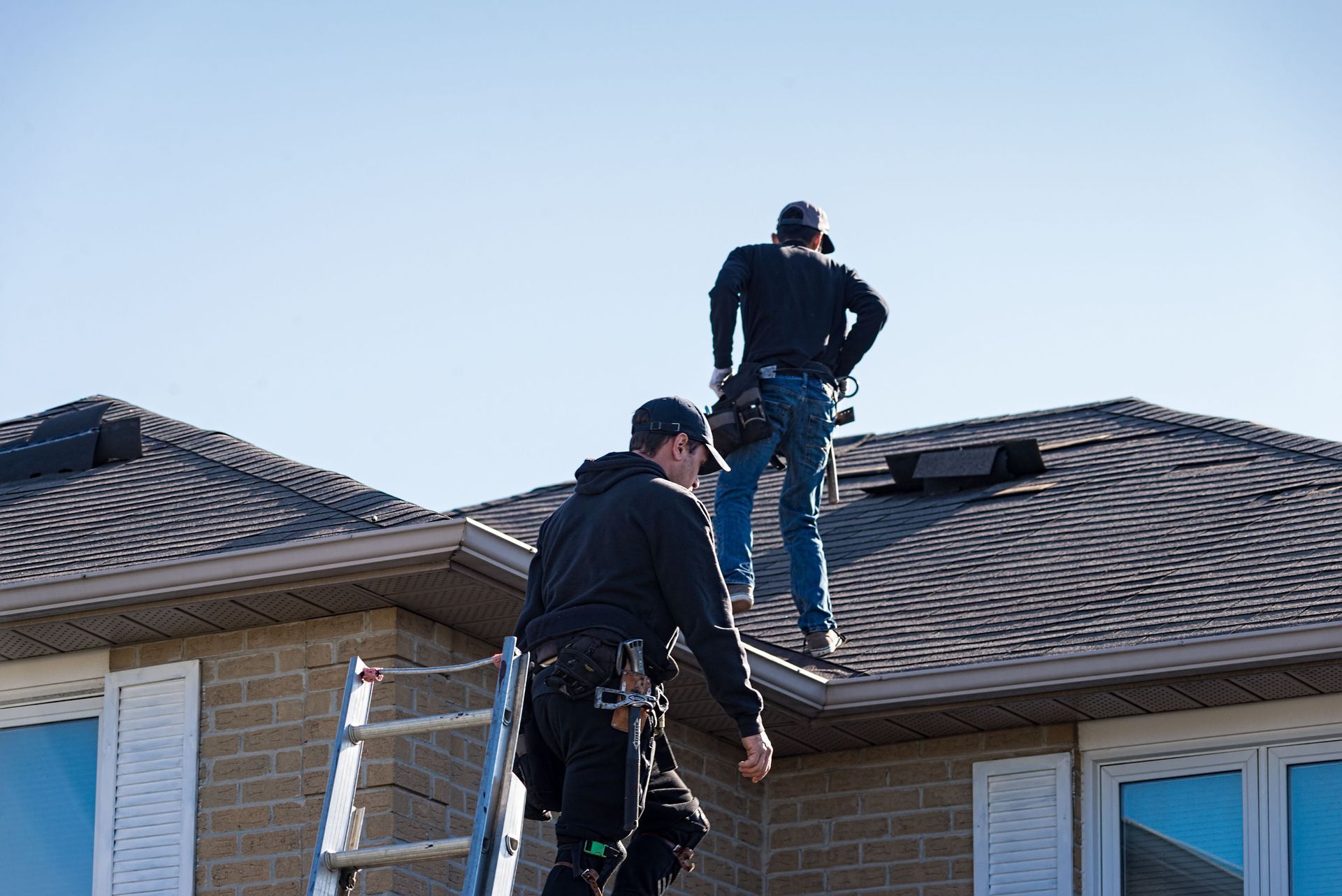
There are instances where calling a professional for shingle repair is advisable to avoid exacerbating issues. Large-scale problems, like significant leaks or extensive shingle loss, often require the expertise of trained roofing contractors. Structural concerns, such as sagging rooflines, merit immediate assessment. In cases of substantial storm damage, professional inspection confirms insurance claims and identifies necessary repairs. Hiring an expert ensures problems are addressed safely and in compliance with local building codes in the United States.
Asphalt shingles offer a reliable, cost-effective, and versatile roofing solution for local roof replacements. By understanding their history, types, manufacturing processes, installation, and maintenance, you can make an informed decision for your residence. Whether you prefer three-tab, architectural, or luxury shingles, asphalt shingles continue to evolve, providing a resilient option that balances both functionality and aesthetics. Their widespread use in the U.S. further attests to their enduring appeal and adaptability in the modern housing market.
Is your home ready for a fresh start with a durable and beautiful new roof? Don't leave your property's protection to chance. Contact Portage Exteriors today to schedule your consultation and see why we are the preferred choice for professional local roof replacements.